

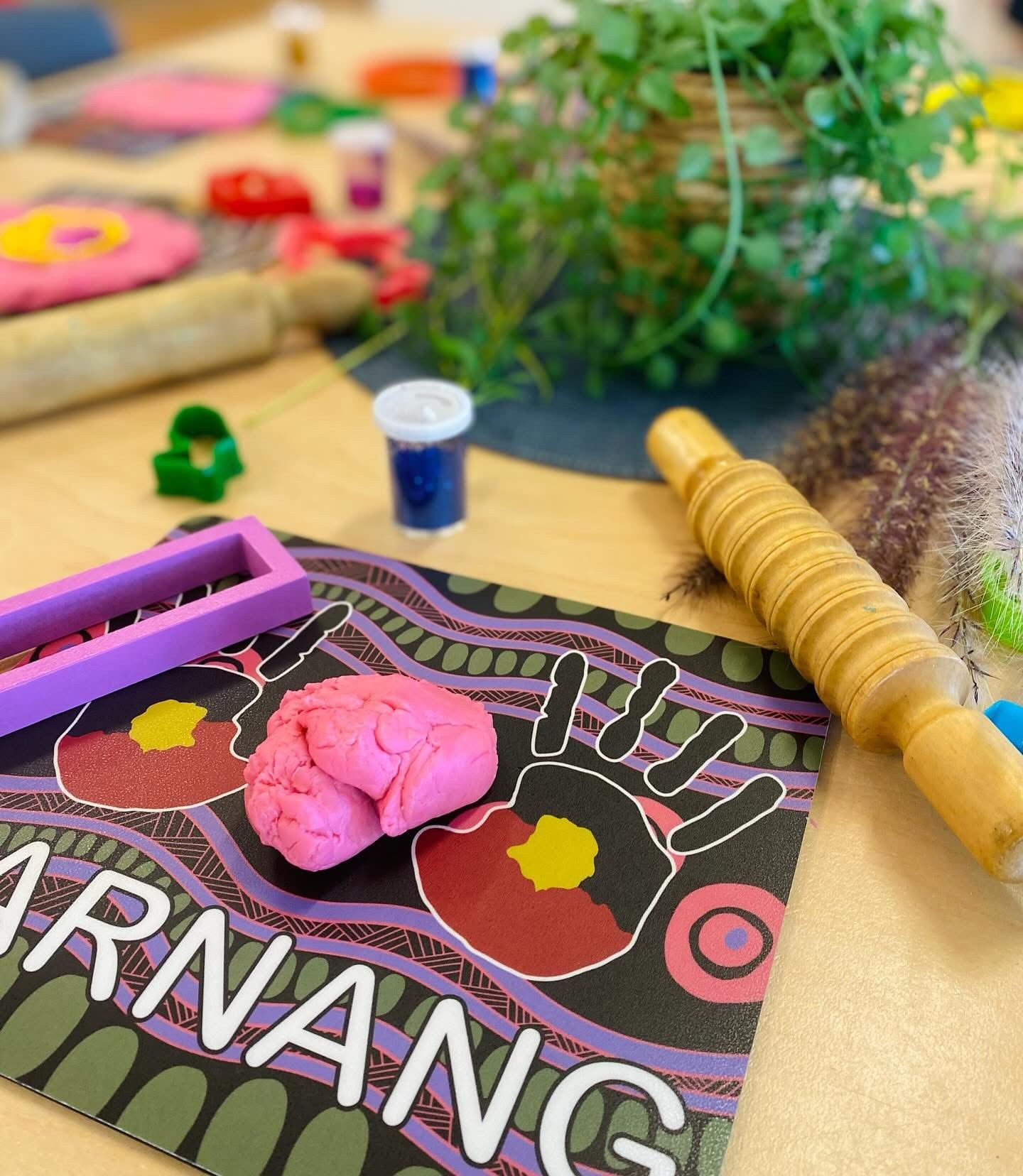
Like many community settings, early childhood education and care services bring together educators, children and families from a wide range of cultural backgrounds. Having this diversity enriches learning environments and experiences for children in their younger years. It is a space that offers children the opportunity to become familiar with different languages, different ways of living, different traditions and different perspectives while still recognising their own culture.
To support children understand and embrace diversity, educators at Shine create an inclusive and culturally responsive program. They achieve this by reflecting on and implementing purposeful, intentional and practical strategies.
So, how are educators able to support different cultures effectively?
By building genuine relationships with families
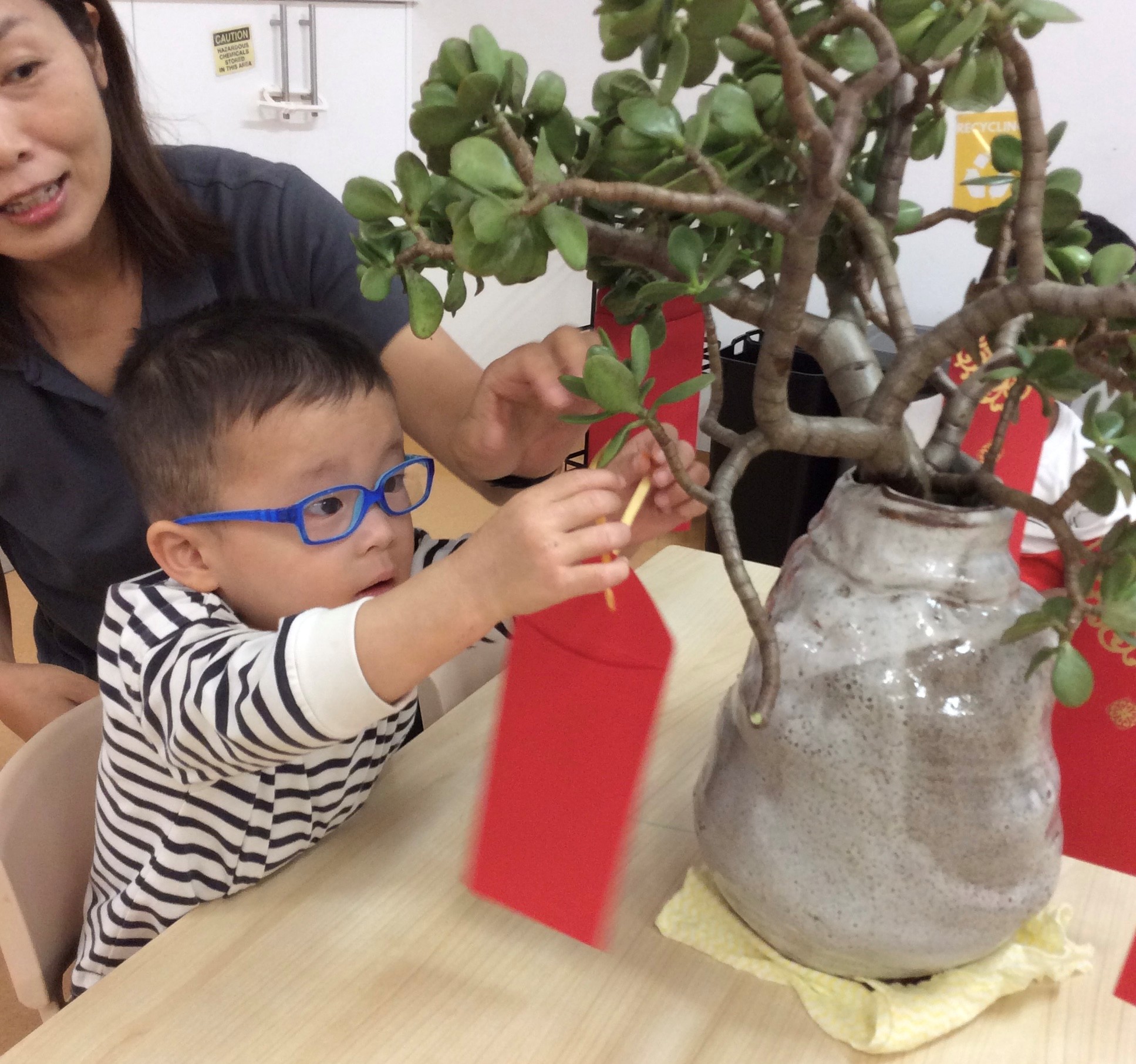
Most importantly, to support cultural diversity, educators need to build respectful and open relationships with the families and local community.
This allows them the time to learn about each child’s cultural background, the languages they speak at home, their beliefs and family traditions (both immediate and extended families).
Meaningful practices can be simple and require family involvement like sharing cultural songs, stories or special celebrations. This partnership fosters trust, it can help children feel recognised and valued and fosters a sense of belonging.
Creating inclusive learning environments is simple
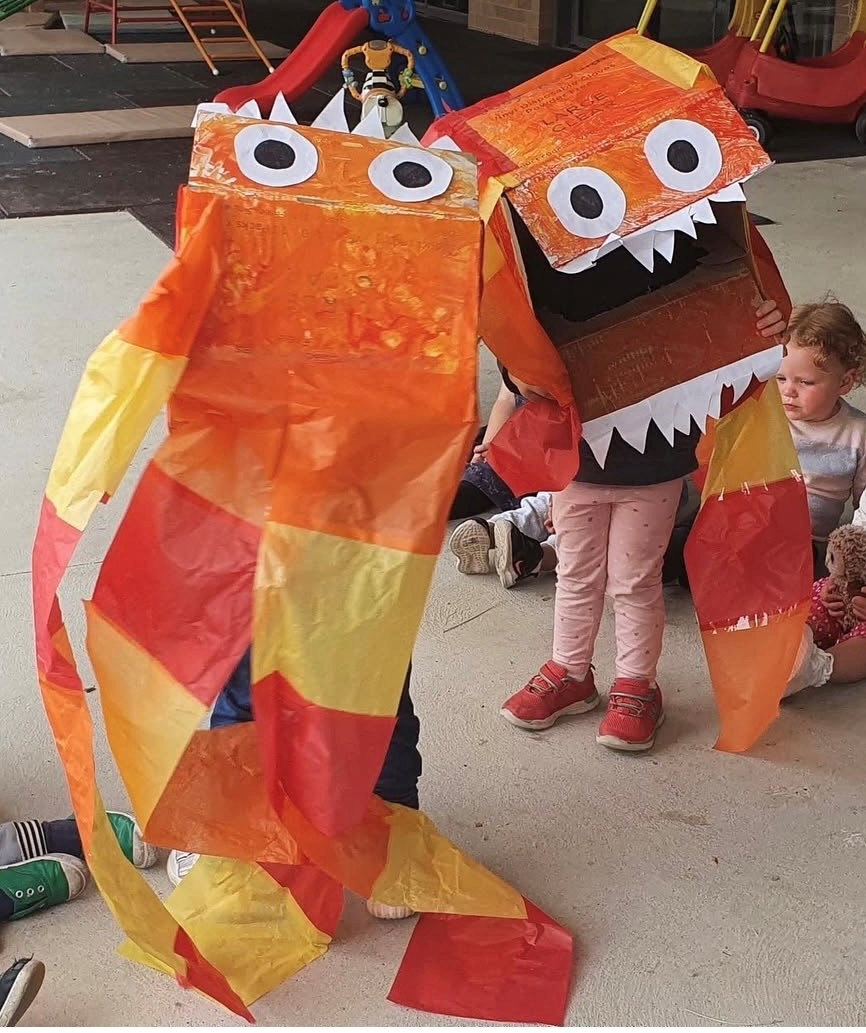
Representation is important so educators regularly review resources, learning environments and set ups to ensure they reflect the diversity of the children and families within the service and the wider community. The aim is to support every child feel a sense of belonging, while also introducing them to a broader worldview.
This includes:
- Providing art and craft materials that represent a range of skin tones
- Providing picture books that feature diverse family structures and characters
- Displaying multilingual signage
- Displaying cultural images and flags and providing musical instruments from different regions
Embedding culture in everyday practices matters
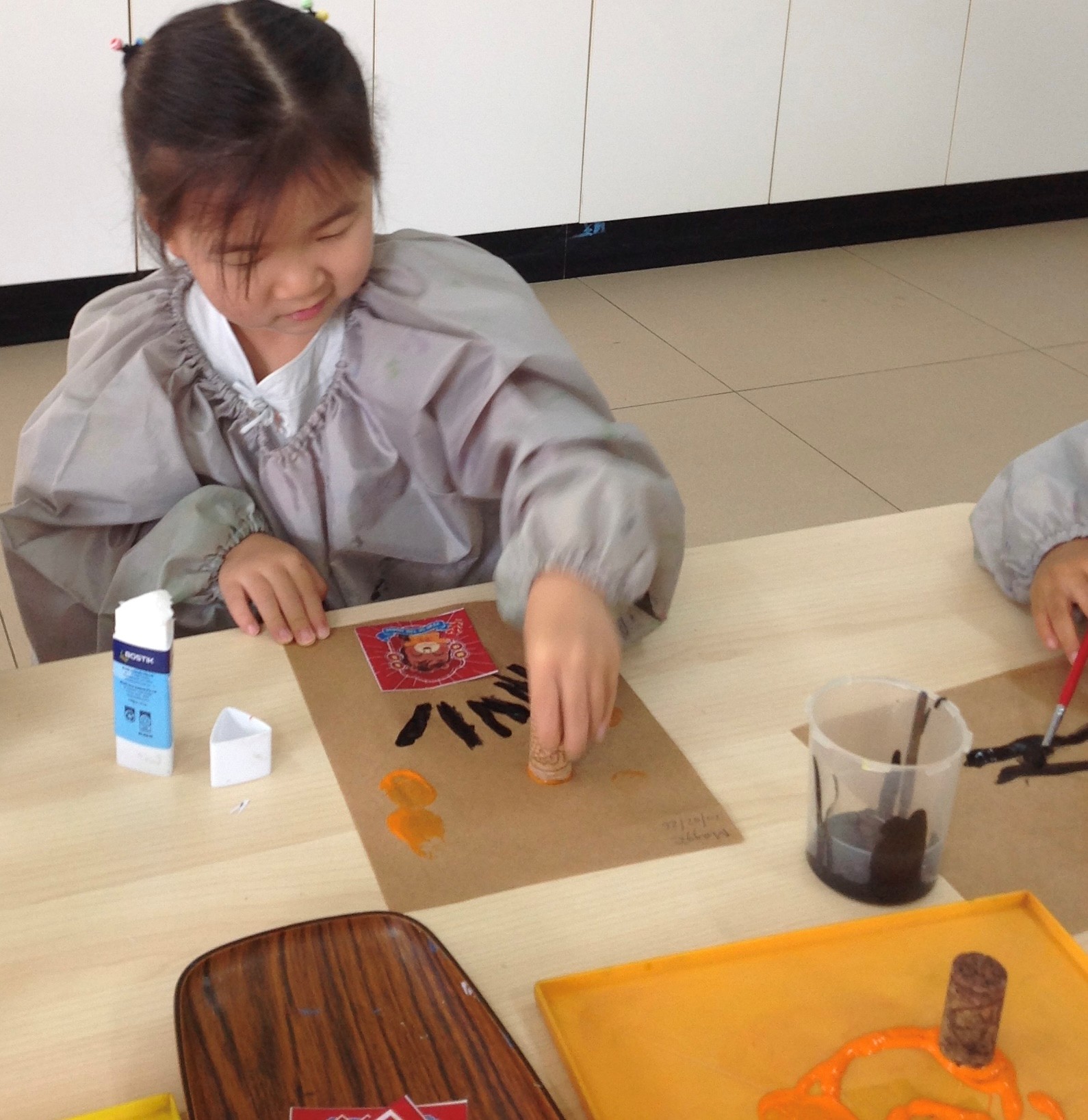
Cultural inclusion should be considered and practised every day, not just for special events. Cultural elements can be integrated in the daily routine and daily program, by:
- Incorporating greetings in different languages throughout the day
- Providing a culturally diver menu with meals from different cultures
- Exploring art, dance or music inspired by various traditions
- Acknowledging cultural festivals and events throughout the year and inviting families to join
When culture is naturally integrated into everyday experiences, it builds mutual respect within the community and child identity formation is developed.
Reflecting on your own cultural perspectives
At Shine, all educators and students bring their own cultural perspective to the centre. By reflecting on and implementing their own personal beliefs, they create purposeful and culturally responsive practices. Educators engage in professional learning to build on their knowledge and grow confidence to apply culture influences, expectations and interactions into their curriculum decisions.
Cultural inclusion builds stronger communities
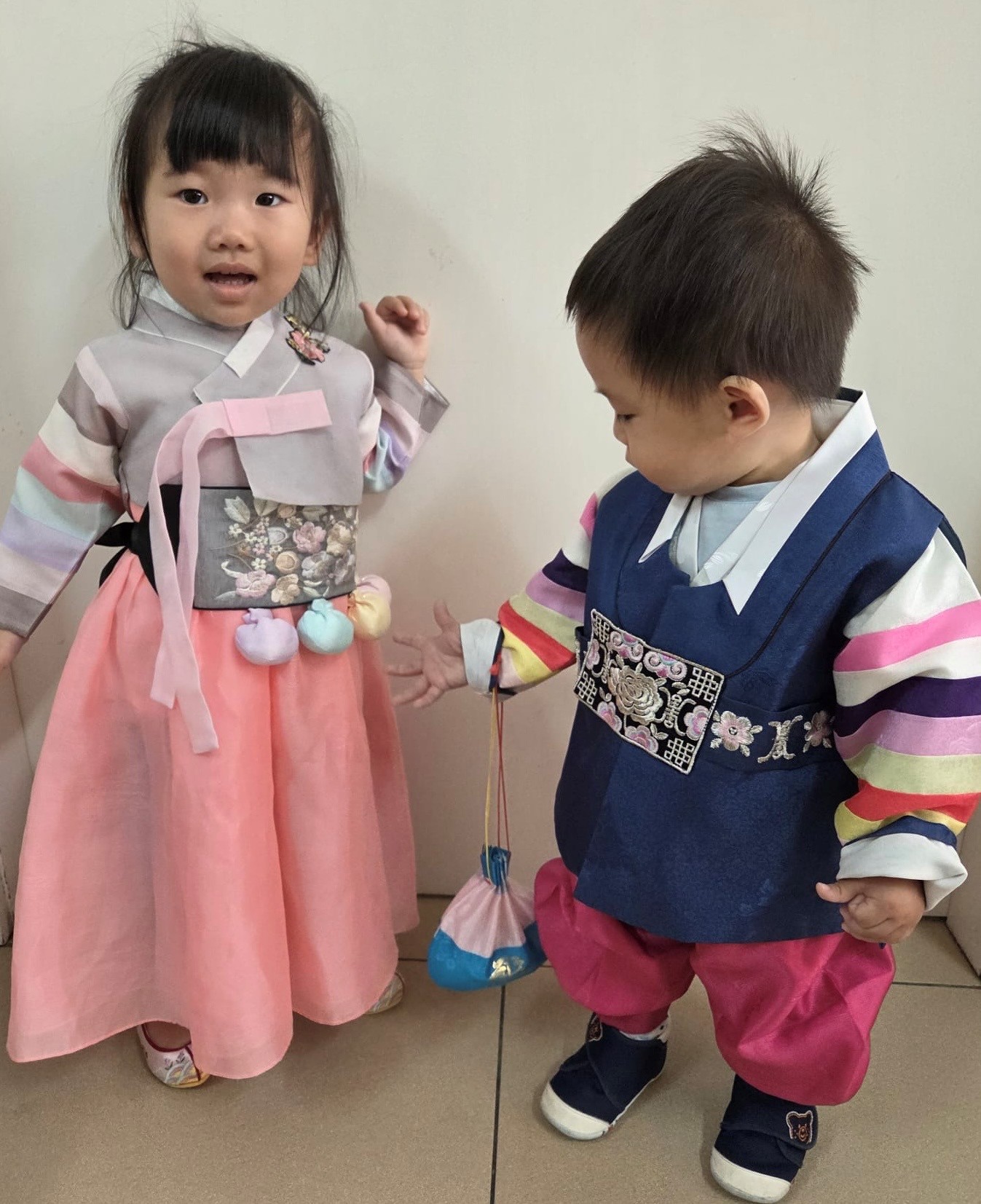
At Shine, when we celebrate and support cultural diversity, we create stronger family partnerships, richer learning environments for the children and a more connected community. Our role is to continually provide opportunities for inclusivity that will have positive impacts on the children’s confidence, their identity and their sense of belonging.